Audio recording of my 20-minute participation at Talks 2.0 at FEUP, Porto. Link to meeting ticker
leo.fm
about me
Founding Partner at QuodisWriter and Evangelist at StartU
Promoter of LIBERDADE229
Co-founder of The Star Tracker
Talks 2.0 - Lesson learned

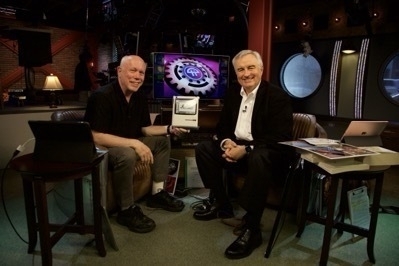
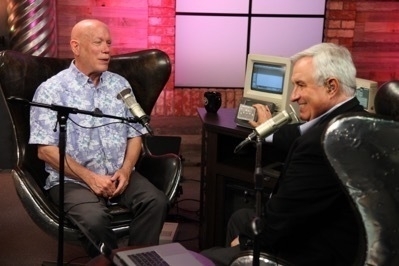
Photo credit: Nelson Reis. That’s me on the right.
Yesterday I did a short 15-minute talk about the motivation of being an entrepreneur at the Talks 2.0 event in Porto, Portugal, for an audience of 350 students and young professionals.
In a line-up of 9 speakers I was second. And that made me nervous as hell: the audience was tough, clapping was strictly formal. The welcome notes were all cold, formal and some times even political - and almost all the speakers had either a suit or a blazer on.
I also quickly realized that almost all of the speakers were entrepreneurs with experience in raising capital - which is sort of a different league for me and my humble experience of growing slowly and in a financially sustainable way (or at lesat that’s what I try to do).
Here’s why I was nervous: I had prepared 15 minutes with an hippie, almost esoteric approach on the motivations, spreading of opportunities and transparency in the way I try to choose my paths. I had prepared a speech where I would make clear that
- I have no rules - everyone has it’s own reasons and motivations to be an entrepreneur and build something
- Lies attract liers, honesty attracts honest people
- We are free to build our own context, build our own luck
- We are like farmers, spreading opportunities like seeds
- You should be true to yourself, to who you are
- The motivation to build a company should be true to who you are
- The company should be true to itself and those who work there
- The more transparent your company is, the easier you’ll attract people and clients that like it for what it really is - and for what it does best
- And so on… (audio will - I hope - be available soon)
While the first speaker was up there and sharing his ideas about success and failure at his business, I kept thinking if I shouldn’t change what I had planned. Maybe I should be more practical. Talk about numbers, rules, business experience, how to treat your clients, etc. And be formal. Hell, if I could I’d geven run to the next store and get a blazer.
I took five minutes to get the answer to that: don’t change a thing. And suddenly it was as clear as water: just apply what your speech praises, be true to yourself and what you are. I gave the speech just as intended. And it went REALLY well - not just for me.
Never I had gotten so positive feedback (both through twitter and at the coffee break) from so many people. What really hit me was this one guy that came up to me and asked: “How did you do that - what is the trick to be so convincing and transparent, and transmit a message so well on the stage?”. You know the answer: be true to yourself and to what you are.
Sidenotes: Excellent organization. Both young and experienced, mostly inspiring speakers. Full house for a saturday afternoon. A shame I couldn’t make it to the networking dinner.
#cp #fail
Péssimo serviço da CP. Chego à campanhã, leio “Circulação suspensa IC e Alfas”. No horário de partida mantém-se tudo normal. Pergunto na bilheteira, dizem-me “pelas 20:30, mas já n vendemos bilhetes” (guess why). Na plataforma, cheia de gente, o plcar diz a hora original. Até chegar a hora. Aí atrasa dois minutos. E a cada 2 mins atrasa mais 2 mins - de maneira que parece ser sempre iminente.
Decido investigar. Volto à estação, vejo que há um IC por chegar de lx. Chegada prevista dali a 1 hora. Portanto já sabem que nunca vai ser antes.. vou outra vez à bilheteira. “Não sabemos de nada - isso gostava eu de saber”. Pergunto se é o mesmo comboio que está por chegar: “Sim é, e ainda tem que se fazer a limpeza”.
Reparo que nas chegadas a chegada desse comboio vai também sendo atrasada de depois em dois minutos. Finalmente a voz anuncia: “Por motivos de temporal, atraso imprevisto - assim que possível daremos mais informações”. That’s it. Vim para o café, encontrei uma tomada escondida no piso superior.
A aventura continua.
Há tantas, tantas maneiras de melhorar a experiência do cliente nesta situação que o que me pasma é como conseguiram não implementar nenhuma única delas.
UPDATE: O comboio vindo de Lisboa lá chegou duas horas depois, surgiram os primeiros sorrisos de esperança. Saíram os passageiros, e desapareceu na escuridão. Still no feedback, nenhum anúncio, nada. Pensei que tivessem dito “assim que possível daremos mais informações”. Guess not.
Meia hora depois chega o comboio, e acaba a aventura. Ninguém, em momento algum, pediu desculpas ou explicou o que se passou. Sei que São Pedro é o culpado pelo tempo. Mas pela (falta de) comunicação com os clientes não é de certeza.
Motivation for potential entrepreneurs
If you’d have to listen to me talking for 15 minutes you’d have enough of hearing me after 5 about the motivations to start your own business to an audience of students interested in the matters of entrepreneurship:
- what would you like to hear?
- what would you want to say?
Suggestions very welcome. My first ideas are:
- If you’re not already motivated, don’t force it - go do something else, there’s tons of other stuff you’ll be naturally motivated for
- Don’t imitate other life stories: every entrepreneur and every start up has it’s own DNA and reason to exist
- Set goals, ones that you are really very passionate and naturally motivated about. by default they will be hard to achieve
- You don’t have to explain yourself. Even with all the books and talks, you’re still one of a kind, and either you know it’s right or don’t
- I love bullet points
- More ideas?
The event is on the 27th at TALKS 2.0 in Porto, Portugal
Hiring again
Just finished an afternoon with three interviews for someone special to join our Quodis team. So much I can tell: all of them are great people and together make the best set of talent I ever had to choose from.
All of them share a great passion to visit new places and learn new techniques (sort of the same thing, isn’t it?), and they are all extremely autodidact and multidisciplinary. Plus, they all share the same passion for music - not sure if that’s a coincidence. Seems like I hit the jackpot: from the over 40 applications I got, at least the three I chose for an interview are great matches.
Another big plus: two of them actually applied to Quodis (and exclusively to Quodis) because of our reputation as a place to get some great work done while maintaining a unique team with a super working and experimentation environment. That makes me extra happy and increases the challenge to keep it that way.
If I could, I’d probably hire at least two of them.
End of a chapter: The Star Tracker
I’ve received some questions about the recent announcement that The Star Tracker’s new IT platform will be developed by our friends over at log consulting, instead of my company Quodis that did the original development (in sweet old ASP 3.0).
We never knew TST would grow to have this kind of attention, and when it did, Quodis transfered its share of TST to the newly founded company Ixion, where I was a co-founder. As time went by and things at Quodis changed (focus on clients, SaaS, new partner, new mindset) it became clear that rewriting TST in a new language (be it RoR or PHP or or or) was a challenge that would completely take our time and focus in a direction we do not want our teams’ focus to be set.
In the meanwhile a new purpose and context for TST emerged in the hands of Tiago Forjaz: Fundação Talento, a project to promote portuguese talent around the world. At this point I decided to commit all my focus and resources to Quodis, donating my share of TST to Fundação Talento and leaving Ixion behind, and convincing everyone that we needed a new IT partner to keep developing TST.
I was closely involved in the process of choosing this new IT company, and still maintain an active role in IT advisory for TST. Quodis currently still does The Star Tracker’s hosting and maintenance, and we will work hard to help the guys at log prepare a smooth transition to the new platform. From there one, I will once and for all have no practical ties to TST, other than the obviously great memories and experience I gathered throughout these 2 years, together with a Mashable Open Web Award and 30.000 users from over 140 countries.
Novo slogan da Pepsi em Portugal baseado na análise ao comportamento de 95% do mercado português com a marca. Credit a alguém que deu esta ideia na mesa de almoço do último Barcamp PT em Coimbra - não me lembro quem!
Plataforma "Camões" para controlar os alunos com Magalhães
O @jneves twittou sobre este artigo no Expresso, em que algumas pessoas defendem que “Se cada criança tiver um Magalhães na sala de aula”, explica esse responsável, “são 20 computadores que ali estão de costas para o professor, sem ele saber o que é que os alunos estão a fazer”.
E que portanto não ter o “Camões” instalado em todos os Magalhães torna-os inúteis e em ferramentas lúdicas (leia-se perigosas) nas salas de aula. Não conhecendo bem nem o Camões nem o Magalhães, eis o que sinto: em vez de os professores perderem tempo a controlar 20 alunos em simultâneo e a tirar-lhes toda e qualquer privacidade, que tal focarem-se em darem tarefas que não deixam sequer espaço para fugirem à matéria durante as aulas?
Se um aluno acabar o exercício mais cedo, porque não deixá-lo navegar livremente e com toda a privacidade na web, ou jogar os seus jogos preferidos? Afinal qual é o nosso objectivo: que estejam uma hora a estudar, ou que estudem aquilo que tem a estudar? Resultado ou aparência?
Não sendo sendo nem pouco mais ou menos especialista em pedagogia, sei que irei sempre premiar resultados e eficácia, e não apenas os que “marcam o ponto” ficando uma hora a fazer um exercício (ou a fazer nada) sem pensarem em maneiras criativas de o resolver mais rápido e com menos esforço.
Se os alunos tem a aula inteira para utilizar o Magalhães como ferramenta lúdica, das duas uma: ou não estão a cumprir as tarefas que lhes foram pedidas e sofrem as consequências na hora da avaliação, ou então o professor não lhes está a dar suficiente que fazer porque está mais preocupado em garantir que fiquem uma hora sem utilizar o Magalhães para outras coisas.
Bom, e depois disto decidi fazer uma pesquisa sobre a empresa que está a desenvolver e vender (bem caro… 40/aluno/mês, por confirmar) o Camões, a Microfil. E fiquei ainda mais assustado com a ideia. Alguém pode confirmar algumas das acusações abaixo ou contextualizar melhor? No transparencia-pt.org apenas encontro duas referências inofensivas.
-
7 medidas para o Magalhães de Ouro?
Microfil - As Tecnologias de Desinformação -
Tecnológica-fantasma da SLN chegou a deter a portuguesa Microfil
Jornal de Negócios -
Judiciária investiga António Nunes
Novabase
ideia fórum with Nassim Nicholas Taleb and Biz Stone in Lisbon
I was lucky to be invited to the conference promoted by the portuguese i newspaper at the Museu do Oriente in Lisbon on June 24th, in the context of their idea promotion. Lucky because otherwise I most certainly would have not paid ~700 Eur to get a ticket - regardless of the event’s quality, which, I must say, was very good. Probably that’s why there was only a half-full room.
The conference was split into 2 x 2 hours, the first being dedicated to Nassim Nicholas Taleb (yeah I know, nice website - but read the last sentence), challenged by four major portuguese entrepreneurs, including from two national banks, and moderated by the newspapers director, Martim Avillez Figueiredo.
It was a very interesting debate, starting with the black swan theory and ending with practical ideas of how to prevent big corporations - specifically banks - from failing and having catastrophic consequences for the society. In a nutshell, everyone agreed that greed, lack of ethics and lack of effective regulation is responsible for the current situation and part of the solution.
“Sort of a no-brainer”, you’ll think - and I agree, but the interesting part was actually observing the tensions of these heavy-weights on the stage and watching their expressions and body language when defending themselves or attacking someone else.
Taleb also insisted on the idea that “if you want to take a risk, don’t play risks with banks”, since that is something like a critical service for our system. Two sentences I remember: “You can more easily fool one with billions than with thousands”, and “You can more easily fool a group of people than one single individual”.
The second 2 hours were dedicated to Twitter’s co-founder Biz Stone, moderated by the newspapers co-director André Macedo and challenged by Elvira Fortunato, António Câmara and Paulo Querido. Biz Stone sure has a superstar status but delivered not more than the predictable. He is clearly in neutrality mode, and although you could take some lessons of what was said, it was more of a fact-check and than an inspiration or any other mind-blowing experience.
There was only little time for intervention by Biz’s challengers - most of it was spent explaining what twitter is (starting with the basic “why 140 characters?” question) and its evolution. Which makes sense in an audience where only a hand-full of people knew what South by Southwest is, and not many more actually use twitter on a daily basis. The usage of the #ideiaforum tag on twitter was at least disappointing.
Elvira Fortunato had little time to intervene (and she did admit not having a twitter account), António Câmara made a point by explaining how - even tough being harder - you can build an IT-based startup in Portugal and how twitter is a great marketing tool, and Paulo Querido brought in some numbers about twitters (supposedly lack) of growth in Portugal that were sort of useless to the debate, and rather felt like a necessity of giving some answer to the moderators question of “what might be twitters biggest weakness”. Yeah.. I can see mashable’s headline already, “Twitter’s growth in Portugal stopped… shuts down worldwide operations”.
Contrarily to the first 2 hours, this time there was some nice time for Q&A, and I did get a chance to ask about the necessity of not focusing on revenue long enough to achieve a critical mass of usage that, only then, allows you to discover previously unimagined revenue models. It was a sort of “yes, I agree, and it depends” question to him, but I still got an interesting 5-minute answer.
Thanks i for the excellent organization and setup. There was also a free live stream on their website (you can also watch the whole conference on video here) which is very rare for our standards - again thanks. Only negative points are some cast choices that could have been better (not sure Joe Berardo was relevant, and clearly there’s a lack of good Web-oriented entrepreneurs and journalists to take stage), and the tickets were way to pricey.